Flying Heart Tattoo Font: A Design-Driven Look at Creative Typography
There’s something magical about the right typeface in a branding project. It can turn a simple logo into an emotional anchor, elevate a product label from ordinary to memorable, or inject personality into a website header without saying a word. Recently, I had the chance to work with Flying Heart Tattoo, and let me tell you—it’s one of those fonts that quietly makes a big impact.
First Impressions on a Brand Board
I was working on a visual identity for a local artisanal coffee shop when I stumbled upon Flying Heart Tattoo. The client wanted something warm, approachable, but still a little edgy—something that felt handcrafted yet professional. As I opened my brand board and began sketching out options, this font caught my eye.
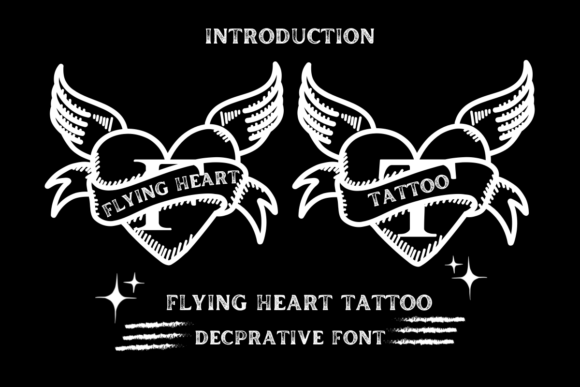
The name says it all. It feels like a typographic love letter with a hint of rebellion. The characters are stylized, almost illustrative, with soft curves and a sense of movement. You can see the influence of handwritten script fonts, but there's also a modern twist that keeps it from feeling too whimsical or hard to read.
Visual Characteristics That Stand Out
Flying Heart Tattoo has a unique charm. Each letter is slightly irregular, giving it a personal touch as if someone carefully crafted each glyph by hand. The heart motif subtly woven into the design adds a layer of symbolism—love, passion, connection. It’s not over the top, but it definitely communicates warmth and creativity.
What stood out most during my early tests was how well it worked in both digital and print formats. Whether I was placing it on a mockup for a chalkboard-style café sign or using it for Instagram captions, the font retained its character across different media. This adaptability made me consider how valuable it could be for clients who want their brand to feel cohesive no matter where it appears.
Testing the Font in Real Design Scenarios
For the logo concept, I tried pairing Flying Heart Tattoo with a minimalist sans serif. The contrast was striking. The decorative nature of the font brought life to the more structured layout, while the sans serif helped keep the message clear. In one version, I used it alone for a custom illustration-style logotype. The result? A logo that felt instantly recognizable and full of character.
On product labels and packaging mockups, the font worked beautifully for short phrases like “Hand Roasted,” “Locally Sourced,” or even just the shop name. Its ornate details added a tactile quality to the design, which is especially important for brands selling physical products. I noticed that when placed against organic textures like wood grain or kraft paper, the font really came alive.
In social media graphics, I found that Flying Heart Tattoo excels in short-form text. It wasn’t suited for long paragraphs, but for headlines, quotes, or taglines, it added a nice dash of personality. On an Instagram post promoting a seasonal latte, the font gave the image a nostalgic yet fresh vibe, which resonated well with the target audience.
Readability and Practical Use
Now, let’s get real. Decorative fonts can sometimes be a double-edged sword. They look great, but they need to serve the content. With Flying Heart Tattoo, I was careful to test it in various sizes and weights. At larger sizes, it’s incredibly expressive and works well as a display or headline font. But when I tried it in body copy—like on a menu or website paragraph—it quickly lost clarity.
This told me that Flying Heart Tattoo is best used in short bursts. Think of it as a supporting actor rather than the lead. It shines brightest in logos, hero sections, product names, and call-to-action buttons. If you’re designing a brand identity that needs a strong visual hook, this is a solid choice.
Font Pairing Tips for a Balanced Brand Identity
One of the first things I did after selecting Flying Heart Tattoo was experiment with font pairings. I wanted to ensure the brand didn’t become visually cluttered. Here’s what I found effective:
- Sans Serif Companions: For a clean, modern balance, I paired it with Montserrat or Lato. These fonts grounded the design while letting Flying Heart Tattoo take center stage.
- Script Fonts: Though similar in style, I avoided pairing it with other script fonts. Too much flourish can confuse the visual hierarchy. However, using it alongside a more elegant script in smaller doses (like on a thank-you card) worked surprisingly well.
- Handwritten Styles: When mixed with a casual handwritten font like Quicksand or Dancing Script, it created a layered, authentic feel. Perfect for lifestyle brands or creative studios that want to blend artistry with accessibility.
The key takeaway here is to treat Flying Heart Tattoo as a display font and use it sparingly. Let it play off simpler, more functional typefaces so your brand doesn’t sacrifice legibility for style.
Design Assets and Brand Consistency
When building a brand system, consistency is everything. I needed to make sure Flying Heart Tattoo could maintain its appeal across multiple touchpoints. From business cards to signage, the font held up remarkably well—especially when used in combination with a secondary font for longer text.
Its included styles and alternates were a bonus. I was able to create subtle variations in the logo and packaging without making the brand feel inconsistent. Ligatures added a nice finishing touch in some cases, like in the word “Heart” itself, which had a small but meaningful flourish.
However, I did notice that because it’s a decorative font, it requires extra attention in terms of spacing and kerning. Some letters, particularly the ones with extended tails or curls, needed manual tweaking to sit well next to each other. But once adjusted, the results were worth the effort.
Real-World Applications and Client Reactions
After presenting the initial mockups to the client, they were immediately drawn to the Flying Heart Tattoo logo option. It felt personal, yet professional—just what they were looking for. We then moved forward with incorporating it into their packaging, signage, and web headers.
One of the standout moments was seeing it on the café’s chalkboard window sign. The font looked hand-painted, even though it was digitally designed. It helped create a sense of authenticity and charm, which aligned perfectly with the brand’s voice.
Another practical application was in the homepage hero section of their new website. Placed over a moody background photo of steam rising from a cup of coffee, the font added a sense of motion and emotion. Users commented on how inviting the site felt, and that’s exactly what we wanted.
Considerations for Commercial Projects
If you're planning to use Flying Heart Tattoo in a commercial context, check the licensing. Like many premium fonts, it likely comes with specific usage rights for print, digital, and merchandise. In this case, it was essential to confirm whether it could be used for branded apparel or packaging before finalizing the design direction.
Also, multilingual support is important for international clients or e-commerce platforms. While I only needed English for this project, I’d recommend verifying the language coverage if you plan to scale globally.
Why Flying Heart Tattoo Belongs in Your Toolkit
As a designer, I’m always on the lookout for fonts that don’t just look good but also feel right. Flying Heart Tattoo isn’t for every project, but for the right brand, it’s a game-changer. It adds a level of sophistication to decorative typography that many free alternatives lack.
It’s versatile enough to fit into editorial design, poster layouts, and even wedding invitations. The mood it creates is romantic, artistic, and heartfelt—perfect for boutique businesses, handmade shops, or any brand that wants to stand out with a unique typographic signature.
Final Design Observations
Here’s what I learned through this process:
- Use Flying Heart Tattoo for short-form text where it can shine—logos, taglines, hero sections, and product names.
- Pair it with a clean, neutral font to maintain visual harmony and readability.
- Test it in real-world conditions—on screens, printed materials, and in motion—to see how it holds up.
- Don’t overuse it. Less is more when it comes to decorative typefaces.
- Make sure the license supports your intended use, especially if you're applying it to merchandise or websites.
Bringing It All Together
By the time we wrapped up the project, Flying Heart Tattoo had become the cornerstone of the brand’s identity. It wasn’t just a font—it became part of the story. The client loved how it connected emotionally with their customers, and I appreciated the way it balanced creativity with functionality.
Whether you're crafting a logo for a skincare brand or designing a flyer for a boutique launch, Flying Heart Tattoo is a font that brings depth, feeling, and a touch of soul to your work. It’s not just decorative; it’s a thoughtful choice that speaks volumes when used correctly.
So go ahead. Try it out in your next project. See how it behaves under different lighting, in different sizes, and across different platforms. You might just find that it fits better than you expected—and that your client will love the results too.